


1xBet APK on Android: Download and Install Step by Step
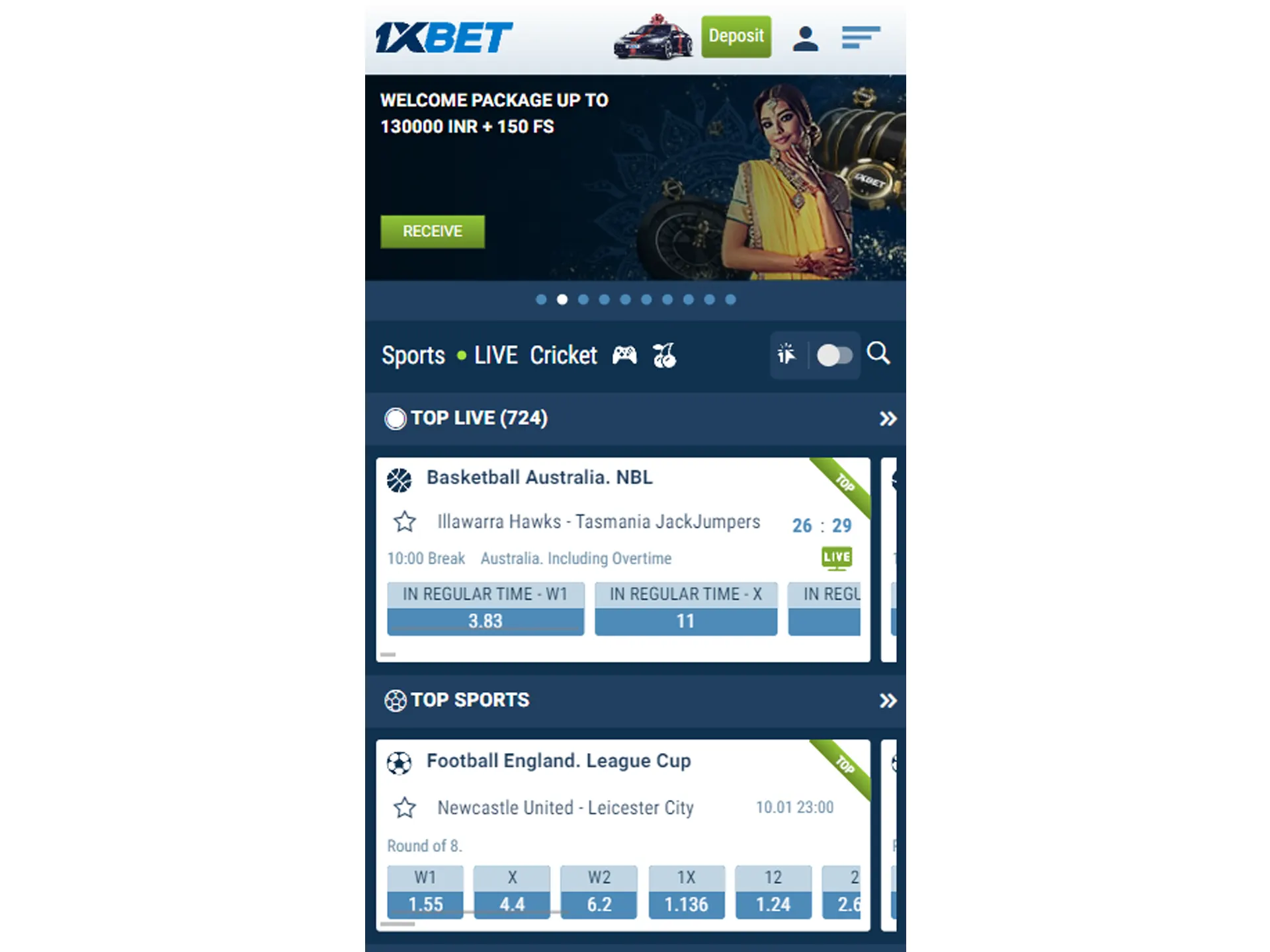
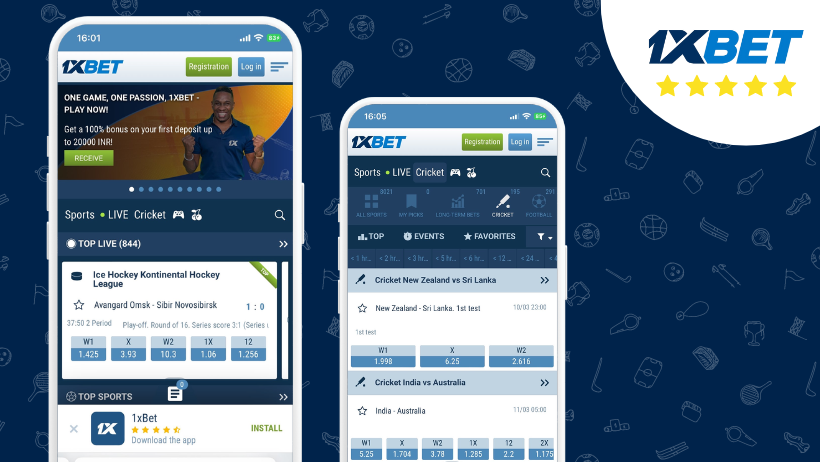
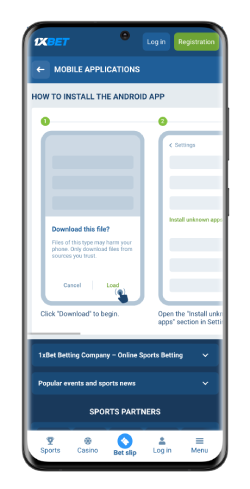
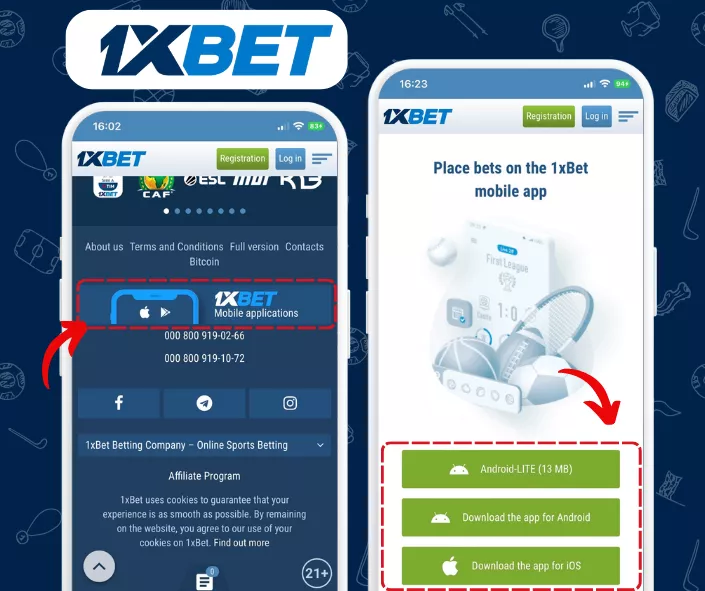
Anyone interested in the 1xBet APK should first consider one thing above all else: the source of the file. The Android application allows users to access the platform directly on their device, but a careless download can lead to corrupted files, broken updates or worse. A well-chosen source, on the other hand, sets up the entire installation process smoothly and keeps later updates consistent. This guide walks through the full process, from understanding what the APK is and how to get it, to installing, updating and fixing common errors — all with a safety-first mindset. Before any file touches your device, it helps to know what a trustworthy page looks like. A genuine distribution page typically loads over a secure HTTPS connection, displays the platform's branding consistently and presents the APK without bundling it alongside unrelated adverts or redirect chains. If a page immediately redirects you elsewhere, or floods you with multiple download buttons, treat that with caution. Many users prefer to start from the platform's own mobile section, where the 1xBet app page 1xbet app update app android is presented alongside other product information. Checking the domain spelling in the address bar and comparing the page layout with what you already know from the desktop site are quick habits worth keeping. Once you are confident about the page, the download itself is straightforward. Tap the Android download option, and your browser will save the file to your device's download folder. Some browsers will warn you that the file might be harmful; this is a standard Android response to any APK downloaded outside an app store, not necessarily a red flag about this particular file. The size of the download matters mainly for ensuring the file completes fully — a partial download will fail to install. If your connection is unstable, consider pausing and re-downloading rather than proceeding with a truncated file. A completed file should install without corruption errors, so patience at this stage saves frustration later. The 1xbet app update for phone 1xBet download page will typically display the right option clearly when the correct mobile section is opened. Android treats apps from outside its official store as "unknown sources." To install the 1xBet APK, you grant this permission specifically to the app handling the file — usually your browser or file manager — not as a blanket system-wide setting. This design keeps the device protected while still giving you control over individual installations. When you open the APK file, the system prompts you to allow this permission, after which the installation continues. Once the app is on the device, you can revoke the permission again, leaving the environment as restricted as before while keeping the app fully functional. Treating the permission as temporary, not permanent, is a habit that balances convenience with security. With installation complete, the 1xBet app opens into a broad betting and gaming environment. Sports coverage spans pre-match and live in-play options, while a casino section, live-dealer tables and other gaming formats typically sit alongside. Account-level features — registration, deposits, withdrawals, bet history and settings — are handled inside the same interface, so users rarely need to switch to a browser for day-to-day actions. Performance tends to feel smoother than a mobile website once the app is cached, and push notifications can keep you updated on settled bets or promotions if you allow them. Available sections and payment methods depend on your region and the specific release, so two users may see slightly different menus after installing the same file. Unlike store-installed apps, an APK installed manually does not update itself automatically. The app may prompt you inside the interface when a newer version is ready, or you can check the distribution page periodically. The update path usually mirrors the original install: download the newer file and run it over the old one. One critical caveat applies here: if an update package is signed with a certificate that differs from the one already installed, Android will refuse to install it as an update. In that situation, the system treats it as a different app entirely. Uninstalling first can resolve the mismatch, but be aware that removing the app may also delete locally stored data such as cached settings or downloaded assets. Most installation failures fall into a handful of familiar categories, and reading the error message on screen usually points you in the right direction. A "parse error" often signals a corrupted or incomplete file, while an "app not installed" message can mean a signature conflict, storage shortage or a damaged package. Insufficient storage is a common trigger: the system needs working space beyond the file's own size to unpack and place the app. If the file came from a mirror or third-party aggregator rather than a source you vetted yourself, resolving the issue can be as simple as re-downloading from a page you trust. Where signatures conflict, removing the older copy before installing may be the only path forward, remembering the data implications mentioned above. The APK isn't the only way onto the platform. Many users access the full service through a mobile browser, which requires no installation permission at all and updates itself silently on the provider's side. For someone who simply wants to check odds or place a quick bet without committing an app to their device, the browser version keeps the barrier low. Differences appear in day-to-day convenience rather than core functionality: the app may load faster once cached, handle notifications and retain login state more persistently, while the browser avoids any installation or signature concerns entirely. Choosing between them is less about right or wrong and more about how often you engage and what feels comfortable on your own device. The safety of the file depends largely on where you obtained it. A page that passed your checks for branding, secure connection and no aggressive redirects reduces risk considerably, but sideloaded apps always require more user judgement than store installs. If in doubt, do not install. Android treats any app installed outside its official store as unknown until you explicitly allow the installation. The permission is granted per app, such as your browser or file manager, and you can revoke it after installing, which limits ongoing exposure. Yes, provided the new version is signed with the same certificate as the installed copy. If the signature differs, Android blocks the update, and removing the old app first may be necessary — though that can erase locally stored data. A parse error usually means the file you downloaded is incomplete or corrupted. Delete it and download again from a source you have verified, ensuring the download completes fully before opening it. The mobile website is a viable alternative with no installation required and no permission prompts. The app may feel faster and support notifications, but the browser version avoids any sideloading concerns entirely, so the choice is a matter of preference.
Reading the Download Page Before You Tap
Getting the APK File Onto Your Device
Allowing the Installation Permission Safely
What the App Actually Does After Installation
Keeping the App Current Over Time
Update situation What Android does Same signing certificate Installs as an update over the existing app Different signing certificate Refuses to install until the old app is removed Partial download Installation fails; re-download the file fully 
When the Installation Refuses to Complete
Mobile Browser as a Fallback
FAQ
Is the APK itself safe if the page looked legitimate?
Why does Android ask for "unknown sources" permission at all?
Can I update the app later without uninstalling it?
What should I do if the installation shows a parse error?
Do I have to install the APK, or can I use the browser instead?